Thomas would not allow his family to be brought up in the Lutheran faith, nor would he allow German to be spoken in the home. It is said Thomas and Louise often took a walk to the cemetery on the edge of the town where little Isabella was buried. Social events were scheduled for the period of full moon. Many people did not approve of dancing but many would enjoy themselves at the hotel dancing on a floor that had been prepared with candle wax. A piano, played by Martha, and piano accordion supplied the music. The hotel piano would be put on the back of a dray and taken to other social events. In 1896 in cost 15/- a week for someone to live at the hotel – one chap working in the store earnt 10/- a week so his parents had to subsidize him staying there. The hotel was the scene of many meetings and dinners and the hotel yards were used to exhibit stock at early agricultural shows. The Bull, Browne and Barrie families often gathered at the hotel for Sunday lunch.
It is thought that Martha lived at Halbury for a period of time while young to work in the local school – she lived there with a teacher who moved from Willowie. Family members recall hearing said that Martha did not have to do as much physical work as the other children and believe it was because she had something wrong with her feet although none can identify the problem. She would accompany her mother on visits to Cambrai, Sedan and Nhill to see the Kuhn relatives. She sewed for Miss Dobney, the local dressmaker, and with the help of her sisters, made all of Lance’s clothes. She and her sister Alice used to take the dray to the brewery at Melrose to collect the beer for the hotel. She was an accomplished pianist and used to play for the local dances. Martha was a staunch member of the Church of England and left money to the church in her will. One habit a niece recalls was Martha would tie an old bag around her waist to protect her clothing when working. She lived at Crystal Brook for a while after her husband’s death – Alice stayed with her there for a time – but when she came down to Adelaide she lived at ‘Mirola’ – a nursing home owned by her husband’s niece. She was buried at Laura where her parents married and she was born.
His children said he was always called Francis, but many I have spoken to always refer to him as Frank. Marjorie Bull recalls him as being a ‘dear old chap.’ On leaving school he worked in Tuckwell’s Store and later in life he became the owner. He is said not to have been cut out to be a hard businessman – he cared more for the people of the district than making big profits. The farmers only received their income after harvest and so Francis would give them credit for the whole year hoping that he would be paid when the crops were harvested. Sometimes he would be paid in cash, other times the farmer might send a number of bags of wheat off to be sold in Francis’s name. If the harvest failed he would have to wait another year for payment. Clem recalls that a long time after his father died one person called on his mother who was by then living in Adelaide and paid a long outstanding debt – others were just written off. Francis used to take the horse and cart to Booleroo Centre to collect goods for the store. He would spend long hours in the shop, usually going back to work after tea, but his children say he was always had the evening meal with them. As his daughters grew up the three eldest worked in the store alongside their father enabling Florence to care for her aging mother. Clem said he did the accounts for his father until he enlisted during WW2. He and Em often went for a long walk on a Sunday to avoid having to open the shop – the farmers would knock on the door of the house seeking a forgotten item if he was at home. The shop sold a bit of everything, including clothing, but the rolls and cloth and haberdashery sold much faster than the readymade items. He also had a bank agency for the Savings Bank of South Australia. Florence ran the agency when she worked with her brother. It is said she had very neat writing whereas as Francis grew older his backhand sloped closer to the line and it was an art to read it. Clem says he was used to it, but a lot of people could not make sense of what had been written.
Francis enjoyed sport. He was a good runner and used to enter gift races at Hammond and Appila. He was proud that his daughter Valerie was a champion runner. He played cricket, liked horses and was an excellent shot. He also kept coursing dogs. He kept some cows and shared the dairy with his mother and Florence. The children had to fetch the cows and milk them taking turns to use the stalls with the Barrie children who milked the cows belonging to their grandmother. Francis was the secretary of the committee for the quadrille class formed in 1906. He died in the operating theatre during an operation for bowel cancer.
My memories of my grandmother are in her latter years when I stayed with my Auntie Jean and Uncle Harold in Adelaide. Gran went to live with them after the death of her husband in 1943 although she had periods of living elsewhere such as with Martha for a while at Crystal Brook. She always seemed to keep herself busy pottering around the garden or in the kitchen. Clem recalls staying with her and Uncle Rob on the farm at Willowie and says that she was an excellent cook. She worked for Miss Dobney the dressmaker in Willowie. When her employer shifted her business to Booleroo Centre Alice went too and continued to work for her for some time. She was there in 1906 as there is a postcard to her from Bessie telling her all about the long and short quadrilles. Alice, like her sister Martha, played the piano. She used a horse and sulky for transport – she and her husband never owned a car. Her marriage to Robert Barrie was a big occasion and the local paper described the event and listed the wedding gifts. Her
wedding photograph is of a young lady with a tiny nipped in waist wearing a magnificent gown. Gran spent the last days of her life at ‘Miroma’ nursing home in Daw Park.
Judith Lloyd has some letters and postcards sent by Bessie when she was young and Bessie used to sign herself as “Tiny BLW”. It is said she was small for her age when young. Bessie could turn her hand at anything and Marj thinks her mother and Aunt Flo used to skin dead cattle to sell their hides in the 1914 drought. Marj recalls her mother was a good shot, could mend a wire door, whitewashed walls, soled shoes, painted pictures and had a very good ear for music that her daughters did not inherit! She played the piano accordion but only had one term of piano lessons as that is all her parents could afford. Bessie and her husband shifted to Adelaide and lived around the corner from Annie. They looked after Mr. Perrin with whom they shared the home. They lived with their daughter Marj after Bert had a stroke until they could no longer care for him and he went to the Home for Incurables until he died.
Annie worked for a time for the Dignan family in Wilmington. Mr. Dignan was a builder and blacksmith. A postcard to Alice tells us that she was sending gifts to her sister Florence and to ‘Jean – Alice’s babe’ in a bread bag on the mail run! Her address at one time in Wilmington was ‘Lover’s Lane’. Some say Annie was a bit ‘harum scarum’ – she and a friend dressed up as men and had photographs taken. Her nieces and nephews recall holidays in Adelaide with Aunt Anne and Uncle Tim – he was a wharfie, very jovial, and a staunch labor supporter. She had leased little shop in Gunn St Birkenhead that sold sweets – what else no one can recall. Marj Bull says Annie was the only one of the Wood family who she can recall ever looking plump, but she says in latter years Annie too was quite slim. Later Annie and Tim rented a house at Robert St, Peterhead. Some of the nieces and nephews lived with her while at high school and when they began working. Marj recalls her mother always killed a fowl and sent cream to Annie if any of the family were going to stay.
Clem recalls Flo as being a very stately sort of women – a bit like a schoolteacher – and very prim. Everyone, except family, called her ‘Miss Wood’ – even those who had known her for many years. Flo kept the books for her brother in the store until his children were old enough to help and was said to have meticulous handwriting. She often worked at the store in the evenings doing the books. Later she looked after her mother. She and her mother lived in their home built out of the stone from the demolished hotel. In the last few weeks of Louisa’s life Alice came to help her. Flo shared her bed with her little nephews who lived with them to attend school, until there was a spare bed for them – I wonder if that experience put her off marriage and having children! She had a red setter dog called ‘Pal’ that died of pneumonia during WW2. Clem remembers going with Aunt Flo in the buggy to Duffield’s to go shooting. She remained in Willowie for some time after the death of her mother, but then went to live with Annie in Adelaide and worked at Gerard and Goodman. She and Annie later had adjoining units at Magill where they both lived until their deaths.
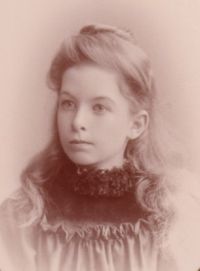 It is thought that Martha lived at Halbury for a period of time while young to work in the local school – she lived there with a teacher who moved from Willowie. Family members recall hearing said that Martha did not have to do as much physical work as the other children and believe it was because she had something wrong with her feet although none can identify the problem. She would accompany her mother on visits to Cambrai, Sedan and Nhill to see the Kuhn relatives. She sewed for Miss Dobney, the local dressmaker, and with the help of her sisters, made all of Lance’s clothes. She and her sister Alice used to take the dray to the brewery at Melrose to collect the beer for the hotel. She was an accomplished pianist and used to play for the local dances. Martha was a staunch member of the Church of England and left money to the church in her will. One habit a niece recalls was Martha would tie an old bag around her waist to protect her clothing when working. She lived at Crystal Brook for a while after her husband’s death – Alice stayed with her there for a time – but when she came down to Adelaide she lived at ‘Mirola’ – a nursing home owned by her husband’s niece. She was buried at Laura where her parents married and she was born.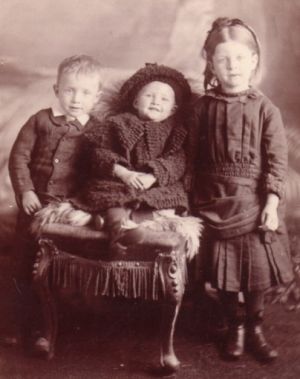
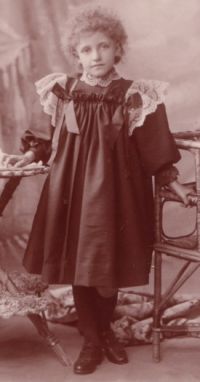
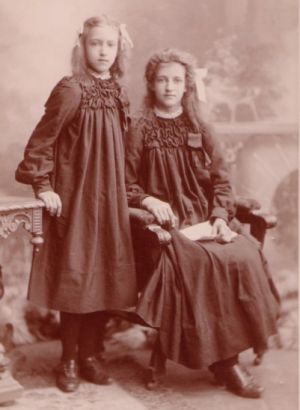 Annie worked for a time for the Dignan family in Wilmington. Mr. Dignan was a builder and blacksmith. A postcard to Alice tells us that she was sending gifts to her sister Florence and to ‘Jean – Alice’s babe’ in a bread bag on the mail run! Her address at one time in Wilmington was ‘Lover’s Lane’. Some say Annie was a bit ‘harum scarum’ – she and a friend dressed up as men and had photographs taken. Her nieces and nephews recall holidays in Adelaide with Aunt Anne and Uncle Tim – he was a wharfie, very jovial, and a staunch labor supporter. She had leased little shop in Gunn St Birkenhead that sold sweets – what else no one can recall. Marj Bull says Annie was the only one of the Wood family who she can recall ever looking plump, but she says in latter years Annie too was quite slim. Later Annie and Tim rented a house at Robert St, Peterhead. Some of the nieces and nephews lived with her while at high school and when they began working. Marj recalls her mother always killed a fowl and sent cream to Annie if any of the family were going to stay.


